# Bed Bug Heat Treatment: Does It Actually Work? (And How Much It Costs)
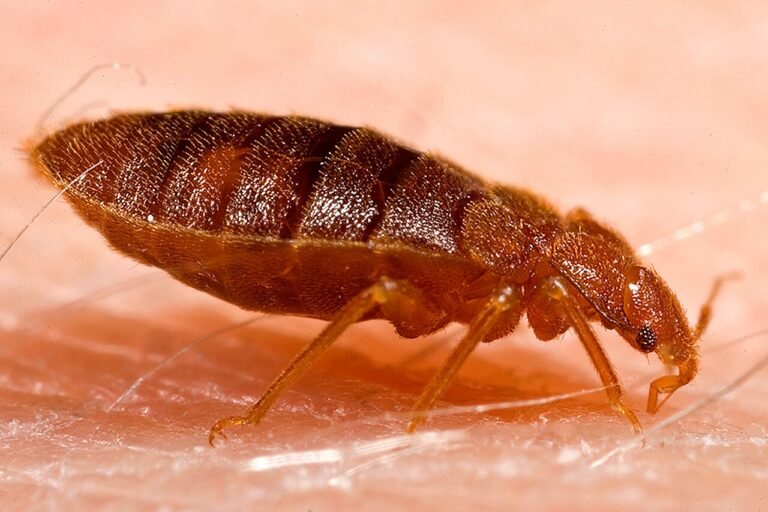
You woke up with bites. Small red welts in clusters on your arms, your neck, maybe your back. You pulled back the sheets and found dark spots on the mattress seam. That’s bed bugs. And someone told you heat treatment is the only thing that really works — but it’s expensive.
Here’s what you need to know: yes, heat treatment works. It kills bed bugs at every life stage in a single session. But it’s not cheap, and it’s not always necessary. Here’s when it’s worth the cost, how it works, and what you’ll actually pay in the Greater Toronto Area.
## What Is Bed Bug Heat Treatment?
Heat treatment uses industrial heaters and fans to raise every surface in a room to 45-60°C (113-140°F) and hold it there for at least 90 minutes. At those temperatures, bed bugs die within minutes — adults, nymphs, and eggs. No exceptions.
The equipment isn’t something you rent at Home Depot. Professional exterminators use propane heaters, electric heaters, or both, along with high-velocity fans to circulate hot air into every crack, baseboard, and furniture joint. Wireless sensors placed throughout the room monitor temperature in real time to ensure no cold spots survive.
Why it works: Bed bugs can’t develop resistance to heat. They can develop resistance to pyrethroid insecticides (and many already have), but physics doesn’t care. Hit 50°C for 90 minutes, and they’re dead.
## Does Heat Treatment Kill All Bed Bugs?
Yes — when done correctly.
Heat kills bed bugs at every life stage. Eggs hatch at around 24°C. At 50°C, eggs cook and die within an hour. Adults and nymphs die faster — within 15-20 minutes at 50°C, and within seconds at 60°C.
Chemical treatments don’t kill eggs reliably. That’s why spray treatments require 2-3 visits spaced weeks apart — you’re waiting for eggs to hatch so you can spray the nymphs. Heat skips that waiting period. One session, full kill, done.
The catch: heat only works if the entire room reaches lethal temperature. If your exterminator rushes the job or doesn’t monitor properly, you’ll have survivors hiding in a cool corner or inside a thick mattress. That’s why cheap heat treatments often fail.
## How Much Does Bed Bug Heat Treatment Cost in the GTA?
In Toronto, Brampton, Vaughan, and the rest of the Greater Toronto Area, here’s what you’ll pay:
– **Single room (bedroom):** $300-$800
– **Two rooms:** $800-$1,500
– **Whole home (2-3 bedrooms):** $1,500-$3,000
– **Large home or severe infestation:** $3,000-$5,000
Why the range? Size, access, and severity.
A small bedroom with minimal furniture costs less because it heats faster and requires less equipment. A cluttered living room with a sectional sofa, bookshelves, and electronics takes longer. Basements with concrete walls hold cold longer. Multi-story homes require multiple setups.
Some companies charge per room. Some charge by square footage. Some charge a flat rate for whole-home treatment and throw in a follow-up inspection.
**Compare that to chemical treatment:** Spray treatments cost $200-$400 per visit, and you’ll need 2-3 visits. So chemicals aren’t necessarily cheaper — they just spread the cost over time. And if the infestation is heavy, chemicals alone often fail.
## How Does Bed Bug Heat Treatment Work? (Step by Step)
Here’s what happens when we show up:
### 1. Preparation (Your Part)
You’ll need to:
– Remove heat-sensitive items: medications, aerosol cans, candles, vinyl records, anything that melts or explodes
– Leave everything else in place — clothes, bedding, furniture stay
– Turn off smoke alarms temporarily (the heat will trigger them)
– Remove pets and plants
– Plan to be out for 6-8 hours
We don’t ask you to bag your clothes or strip your bed. That’s one of the benefits — heat penetrates fabric and furniture without needing to disassemble your life.
### 2. Setup (30-60 minutes)
We bring in industrial heaters (usually 2-4 per room) and high-velocity fans. Wireless temperature sensors get placed around the room — behind furniture, inside closets, near baseboards, under the bed. These sensors feed real-time data to a monitoring system so we know exactly when every spot hits lethal temperature.
We seal vents and doors to keep heat contained. Windows stay closed. The room becomes an oven.
### 3. Heating Phase (4-6 hours)
We fire up the heaters. The room temperature climbs slowly — we’re not trying to hit 60°C in 10 minutes. Rapid heating can crack drywall or warp wood. We aim for a steady rise to 50-55°C over 2-3 hours, then hold it there.
Sensors tell us when every corner of the room hits the target. Bed bugs hiding inside a mattress, behind a picture frame, or deep in a baseboard crack all die once their hiding spot reaches 50°C for 90 minutes.
This is when bed bugs try to escape. They’ll crawl out of their hiding spots looking for cooler areas. They won’t find any. If they crawl toward a door or window, they die trying.
### 4. Cooldown and Inspection (1-2 hours)
Once the sensors confirm full coverage for the required time, we shut off the heaters and let the room cool naturally. We don’t rush this — opening windows too early can cause condensation damage.
After cooldown, we inspect. We’re looking for dead bugs (you’ll see them), checking high-risk spots, and confirming the treatment worked. If we find any signs of surviving activity, we re-treat that zone.
### 5. You’re Done (Same Day)
You can move back in the same day. No chemical residue, no waiting period, no smell. The bed bugs are dead.
Most companies include a follow-up inspection 1-2 weeks later to confirm no survivors. If you see new bites or bugs after that, they’ll retreat at no cost — but that’s rare with properly executed heat treatment.
## Heat Treatment vs Chemical Treatment: Which Is Better?
It depends on what you value most.
**Heat treatment wins if:**
– You need immediate results (one session, same-day return)
– The infestation is heavy or widespread
– You’ve tried chemicals before and they didn’t work
– You have kids, pets, or chemical sensitivities
– You can’t handle multiple treatment visits
– You want the highest kill rate (including eggs)
**Chemical treatment wins if:**
– Cost is your main concern (chemicals are cheaper per visit)
– The infestation is light and localized
– You don’t mind waiting 2-3 weeks for full eradication
– You’re okay with temporary displacement between visits
**Reality check:** Most Toronto apartments we treat have moderate to heavy infestations by the time someone calls. At that point, heat treatment is usually faster and more cost-effective than 3-4 rounds of chemicals that may or may not work.
Heat also works on pesticide-resistant bed bugs. And Toronto has plenty of those.
## Can You DIY Bed Bug Heat Treatment?
Technically, yes. Practically, no.
You can buy or rent portable heaters and try to heat a room yourself. People do it. It rarely works. Here’s why:
**1. You won’t reach lethal temperature evenly.**
A space heater in the corner doesn’t heat your mattress core, your dresser drawers, or the gap behind your baseboard. Bed bugs retreat to the coolest spot and survive.
**2. You can’t monitor properly.**
Without sensors, you’re guessing. You need to know when the coldest spot in the room hits 50°C, not when the air near the heater does.
**3. Fire hazard.**
Cranking multiple space heaters in a sealed room for hours is dangerous. Professional equipment is designed for this. Your Target space heater is not.
**4. It takes too long.**
Commercial heaters pump 100,000+ BTUs. Your space heater does 1,500 watts. You’ll run it for 12+ hours and still not hit the right temperature.
If you have a single piece of furniture (like a dresser you bought secondhand), you can try heat-treating just that item. Seal it in a black plastic bag, leave it in a hot car or direct sun on a summer day, and check with a thermometer. But a whole room? Call a professional.
## When Heat Treatment Fails (And Why)
Heat treatment has a 95%+ success rate when done correctly. But sometimes it fails. Common reasons:
**The exterminator rushed it.** If they only heated for 2-3 hours total, they didn’t give the room enough time to reach lethal temperature in every hiding spot.
**They didn’t use enough equipment.** One heater in a large room won’t cut it.
**You brought bed bugs back in.** If you stored your bag in an untreated area during the treatment and then brought it back into the treated room, you reintroduced bugs.
**They were in the walls.** Bed bugs can live in wall voids between apartments. If your neighbor has bed bugs and you share a wall, heat-treating your side isn’t enough. This is common in Toronto apartment buildings. You need building-wide coordination or targeted wall void treatment.
**Cold spots.** A poorly sealed room or an exterior wall in winter can create cold zones where bugs survive.
Reputable companies offer a follow-up inspection and retreat guarantee. If the treatment fails due to their error, they’ll fix it. If it fails because you skipped prep steps or your neighbor reinfested you, that’s a different problem.
## Is Heat Treatment Worth the Cost?
For most people dealing with bed bugs in Toronto, yes.
Here’s the math: heat treatment costs $800-$1,500 for a typical 1-2 bedroom situation. Chemical treatments cost $200-$400 per visit x 3 visits = $600-$1,200. So heat isn’t drastically more expensive.
But heat gets it done in one day. You’re not waiting weeks, dealing with multiple appointments, worrying whether the chemicals worked, or throwing out your mattress because you’ve lost faith in the process.
If you’ve got bed bugs in your Brampton townhouse and you’re waking up with bites every night, an extra $300 to finish it in one session is worth it.
The only time we recommend starting with chemicals: if you caught it early (saw 1-2 bugs, no bites yet, small infestation), you’re on a tight budget, and you’re confident you can follow the multi-visit protocol. Even then, heat is more reliable.
## What About Whole-Home vs Room-Only Treatment?
If you’ve confirmed bed bugs in one bedroom and you haven’t seen signs anywhere else, room-only treatment can work.
But bed bugs spread. If you’ve had an infestation for more than a few weeks, assume they’ve moved into adjacent rooms. Treating one room while leaving another untreated just gives survivors a place to regroup.
In Toronto apartments and condos, we usually recommend treating at least the bedroom where you found them plus any adjacent sleeping areas. In single-family homes, especially if you’ve been dealing with this for months, whole-home treatment is safer.
Your exterminator should inspect before quoting. If they quote you over the phone without seeing your home, be skeptical.
## How to Choose a Heat Treatment Company in the GTA
Not all heat treatments are equal. Here’s what to look for:
**Experience with heat specifically.** Some pest control companies offer heat treatment but rarely do it. You want a company that does heat weekly, not once a quarter.
**Monitoring equipment.** Ask if they use wireless sensors. If they’re just running heaters and guessing, walk away.
**Guarantee.** Most reputable companies offer a 30-60 day warranty with free retreat if needed. No guarantee = red flag.
**Transparent pricing.** They should inspect first and quote based on your actual situation, not give you a vague “$200-$2,000” range over the phone.
**Licensing.** In Ontario, pest control companies must be licensed under the Pesticides Act. Heat treatment doesn’t use pesticides, but legit companies carry the license anyway because they also do chemical work.
## What We Do at CallPest
We’re licensed exterminators serving Toronto, Brampton, Vaughan, Scarborough, and the rest of the GTA. We offer both heat treatment and chemical treatment for bed bugs — and we’ll tell you honestly which one makes sense for your situation.
If you’ve got a light infestation and chemicals will work, we’ll say so. If you need heat, we use commercial-grade equipment with real-time monitoring and a 60-day guarantee.
We show up the same day if you call before noon. Bed bugs are miserable. You shouldn’t have to wait a week for an appointment.
Call us or get a free quote. We’ll inspect, explain your options, and give you a flat-rate price before we start.
—
**Related:** Bed bug removal services | Pest control in Toronto | Pest control in Brampton | Pest control in Vaughan