Stink Bugs in Ontario: Why They’re Getting Worse
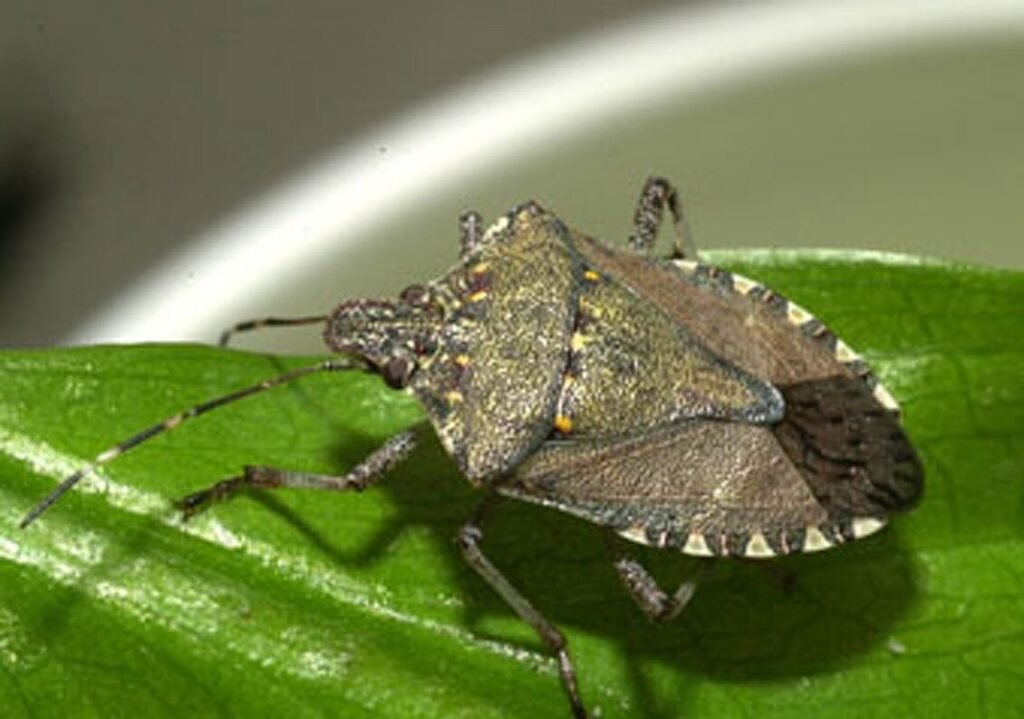
You’ve seen them. Brown, shield-shaped bugs clustering on your windows in fall. Crawling across your bedroom ceiling in March. And when you try to brush one away, it lives up to its name — releasing a smell somewhere between burnt rubber and rotting cilantro.
Brown marmorated stink bugs weren’t in Ontario 20 years ago. Now they’re everywhere. And they’re getting worse.
Here’s why, and what you can actually do about it.
The Invasive Pest That Wasn’t Supposed to Survive Here
Brown marmorated stink bugs (Halyomorpha halys) are native to Asia. They arrived in North America accidentally in the 1990s, likely as stowaways in shipping containers. By 2010, they’d reached Ontario.
At first, experts thought our winters would limit their spread. Stink bugs are adapted to temperate climates, not Canadian cold.
They were wrong.
Stink bugs don’t try to survive winter outdoors. They overwinter inside — in your walls, your attic, the gaps around your window frames. As long as they find a warm structure before the first hard freeze, they survive just fine.
And Ontario’s housing stock — with its abundance of vinyl siding, unscreened vents, and gaps around utility penetrations — is basically a stink bug resort.
Why Ontario Populations Are Exploding
Three reasons stink bug numbers keep climbing year over year:
1. Warmer fall temperatures extend their breeding season
Stink bugs need warm weather to reproduce. They go through multiple generations per year, but each generation takes about 5-7 weeks to complete.
Ontario’s last decade has seen warmer-than-average fall temperatures. When September and early October stay warm, stink bugs squeeze in an extra generation. More generations = exponentially more bugs.
According to Agriculture and Agri-Food Canada, brown marmorated stink bug populations in southern Ontario have increased by an estimated 30-40% since 2018, with particularly high concentrations in the Niagara Region, parts of the GTA, and along the north shore of Lake Erie.
2. They aggregate — and once they find your home, they come back
When a stink bug finds a good overwintering site, it releases aggregation pheromones. That’s a chemical signal that tells other stink bugs: “Hey, this place is safe. Come here.”
If 20 stink bugs overwintered in your attic last year, you might have 50 this year. And 100 the year after. They remember. Or rather, the pheromone trail remembers for them.
3. Few natural predators in Ontario
In their native range, stink bugs are kept in check by parasitic wasps and other specialized predators. Those predators don’t exist here.
Birds generally avoid stink bugs because of the smell. A few spiders will eat them, but not in numbers that make a dent in populations.
We’re seeing the classic invasive species problem: lots of food, no predators, perfect habitat.
What Stink Bugs Do (And Don’t Do) In Your Home
Let’s clear up what’s real and what’s not.
Stink bugs don’t:
- Bite people or pets
- Damage structures (they’re not termites or carpenter ants)
- Reproduce indoors (they’re dormant all winter)
- Carry diseases
Stink bugs do:
- Smell awful when crushed or threatened
- Leave stains on walls and fabrics
- Cluster in large numbers (hundreds in a single attic isn’t uncommon)
- Create a nuisance when they emerge in spring and try to get back outside — often ending up in your living spaces instead
For homeowners, the issue is mostly quality of life. Waking up to find a stink bug crawling across your pillow in March is unpleasant. Vacuuming 30 of them off your windows every day in April gets old fast.
For farmers and gardeners, it’s a much bigger problem. Stink bugs are a serious agricultural pest. They feed on tomatoes, peppers, apples, peaches, soybeans, and corn. They pierce the fruit or seed pod with their needle-like mouthparts and inject enzymes that break down tissue. The result is scarred, unmarketable produce.
In parts of the U.S. where stink bugs are well established — Pennsylvania, Maryland, Virginia — they cause millions of dollars in crop losses every year. Ontario’s agriculture industry is watching closely.
The Ontario Stink Bug Calendar
Understanding when stink bugs are active helps you prepare.
September – November: Entry season
As soon as nighttime temperatures drop below 10°C consistently, stink bugs start looking for overwintering sites. You’ll see them clustering on the sunny sides of buildings — especially south and west-facing walls.
They enter through:
- Gaps around windows and doors
- Unscreened attic vents and soffit vents
- Cracks in siding
- Gaps where utilities (cable, electrical, plumbing) enter the home
- Chimneys without caps
Peak entry is usually late September through mid-October in the GTA, slightly later farther south (Niagara), slightly earlier farther north (Barrie, Peterborough).
December – February: Dormancy
Stink bugs are cold-blooded. When temperatures drop, their metabolism slows way down. They enter a state called diapause — basically suspended animation.
If your home is well insulated, they’ll stay dormant in wall voids, attics, and other hidden spaces. You won’t see them.
But if parts of your home get warm in winter — sunny attic spaces, bonus rooms over garages, south-facing walls — stink bugs can wake up. That’s when you get the unsettling experience of finding a stink bug crawling on your bathroom mirror in January.
March – April: Emergence
As spring arrives, stink bugs wake up and try to get back outside to feed and mate. But they’re not great navigators. They often end up in your living spaces instead of finding their way out the way they came in.
This is when homeowners call us most often. Not because the infestation is new — the bugs have been there all winter. But because now you’re seeing them every day.
May – August: Outdoor activity
From late spring through summer, stink bugs live outdoors. They feed on leaves, fruit, and seeds. You’ll see them in gardens, on crops, and occasionally on exterior walls.
If you have fruit trees, a vegetable garden, or live near agricultural land, you’ll see a lot of them. If you’re in an urban condo, you might not see any at all.
They’re not trying to get inside during summer. They’re living their best outdoor life.
What Works (And What Doesn’t) For Stink Bug Control
What doesn’t work:
Crushing them. It just makes your house smell, and it doesn’t reduce next year’s population.
Bug zappers. Stink bugs aren’t attracted to UV light traps the way moths and mosquitoes are.
DIY pesticide sprays. Most general-use insecticides just agitate stink bugs, making them release more odor. And because they overwinter in wall voids, surface sprays don’t reach them anyway.
Essential oils, vinegar, diatomaceous earth, or other home remedies. Stink bugs don’t care.
What works:
1. Seal entry points in late summer
This is the single most effective strategy. Before September, walk your home’s perimeter and seal:
- Cracks and gaps in siding, especially where different materials meet
- Gaps around windows and doors (replace worn weatherstripping)
- Attic vents and soffit vents (use fine mesh screening)
- Utility penetrations (use expanding foam or caulk)
- Chimney tops (install a cap if you don’t have one)
An hour of caulking in August saves you months of vacuuming in spring.
2. Vacuum carefully
If you have stink bugs indoors, vacuum them up without crushing them. Use a vacuum with a bag (not a bagless canister), and dispose of the bag immediately outside. If you leave them in the vacuum, your vacuum will smell like stink bugs for weeks.
3. Professional exclusion and treatment
For established infestations, professional pest control makes sense. We treat exterior entry points with targeted products that stop stink bugs before they get in. For homes with active indoor populations, we can apply treatments to wall voids and attic spaces where stink bugs overwinter.
The best time for professional treatment is late August through early September — before they enter for the season.
Why This Matters Beyond Annoyance
Right now, stink bugs are mostly a nuisance pest for Ontario homeowners. Annoying, yes. Destructive, not really.
But in parts of the U.S. that are 10-15 years ahead of us in the invasion curve, stink bugs are a major economic issue. Mid-Atlantic apple growers, for example, now routinely spray 8-10 times per season specifically for stink bugs — a practice that barely existed before 2010.
Ontario’s agriculture industry is already seeing damage. Peach and apple growers in Niagara report increasing losses. Soybean farmers in southwestern Ontario are dealing with stink bug feeding damage that reduces crop quality and yield.
The fear is that stink bugs could become a permanent, high-cost pest for Ontario agriculture — requiring intensive pesticide programs that hurt profitability and environmental quality.
For now, researchers at Agriculture and Agri-Food Canada and the University of Guelph are monitoring populations and testing control strategies. But there’s no silver bullet yet.
What To Expect in the Next Few Years
Ontario’s stink bug population is still growing. We’re not at a stable equilibrium yet.
Expect:
- More stink bugs each fall
- Wider geographic spread (currently concentrated in southern Ontario, moving north)
- More agricultural damage
- More calls to pest control companies (including us) as homeowners get fed up
Eventually, populations may plateau — either because they hit natural limits, or because effective biological controls (like imported parasitic wasps) are introduced. But we’re years away from that.
If You’re Seeing Stink Bugs in Your GTA Home Right Now
It’s late March 2026. If you’re seeing stink bugs in your home now, they’ve been there all winter. They’re waking up as temperatures rise and trying to get back outside.
Here’s what to do:
Short term: Vacuum them as you see them. Dispose of the vacuum bag outside. Don’t crush them — you’ll just make your home smell.
Long term: Plan to seal your home’s entry points in August. If you saw stink bugs this spring, you’ll see more next fall unless you take action.
If the problem is severe: If you’re seeing dozens of stink bugs daily, you likely have a large overwintering population in your walls or attic. That’s worth professional attention. We can identify entry points, seal access areas, and treat hidden voids where populations are concentrated.
Stink bugs aren’t going anywhere. But you don’t have to live with them.
If you’re in Toronto, Brampton, Vaughan, or anywhere in the GTA and you’re dealing with stink bugs in your home, we can help. We’ll assess entry points, recommend exclusion work, and if needed, treat overwintering sites so next fall isn’t a repeat.
Get a free quote or call us. We’ll walk you through what makes sense for your situation.