# How to Get Rid of Termites — Ontario Treatment Guide
You found mud tubes running up your foundation wall. Or maybe you pressed on a windowsill and your finger went straight through the wood. Or you saw a swarm of flying insects near your house this spring and now you’re wondering if those were termites.
If you’ve got termites, you need to act fast. Termites cause more than $5 billion in property damage every year in North America — more damage than fires, floods, and storms combined. And they don’t announce themselves. By the time you see signs of an infestation, they’ve likely been eating your house for months.
Here’s what you need to know about getting rid of termites in Ontario — including what works, what doesn’t, and when you need to call a professional.
## Signs You Have Termites
Termites are sneaky. They live inside wood and soil, so you won’t see them until the damage is already significant. Here’s what to look for:
**Mud tubes on your foundation.** Subterranean termites (the kind we have in Ontario) build pencil-width tunnels from soil to wood. Check your basement walls, crawl spaces, and the exterior foundation. These tubes protect termites as they travel between their underground colony and your home.
**Hollow-sounding wood.** Tap on wood trim, support beams, or windowsills. If it sounds hollow or papery, termites may have eaten the interior. They consume wood from the inside out, leaving a thin shell.
**Discarded wings in spring.** April through June is swarming season. Termite swarmers (reproductive termites) fly out to start new colonies, then shed their wings. If you find piles of wings near windows, doors, or light fixtures, you’ve got a problem.
**Small holes in drywall.** Termites sometimes create tiny exit holes in walls. You might also see what looks like dried mud around the holes.
**Sagging floors or ceilings.** Advanced infestations weaken structural wood. If floors feel soft or ceilings sag, that’s serious damage.
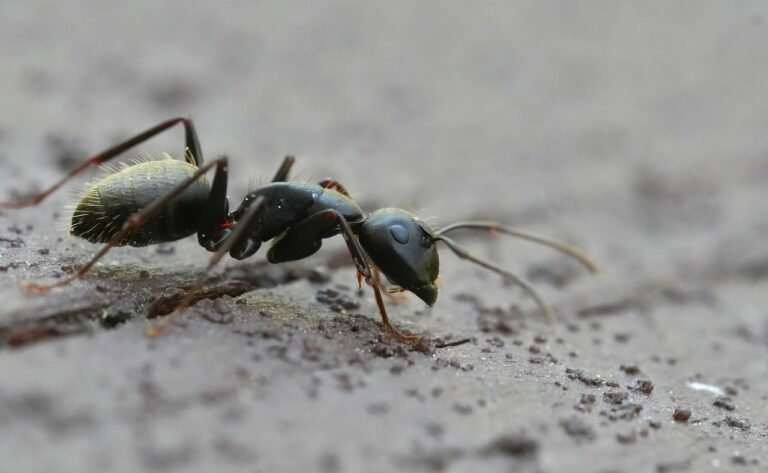
**Termites vs carpenter ants.** People often confuse these two. Termites have straight antennae, thick waists, and equal-length wings. Carpenter ants have bent antennae, narrow waists, and longer front wings. Both cause damage, but termites are more destructive because they actually eat wood — carpenter ants just excavate it for nesting.
## Why Termites Are So Dangerous
A mature termite colony can have 60,000 to over 1 million termites. They eat 24/7, consuming about one pound of wood per day in a large colony. That’s a deck post in a month. A floor joist in a season.
The average cost to repair termite damage in Ontario is $8,000 to $12,000. Severe infestations requiring structural repairs can hit $30,000+. And here’s the kicker: most homeowners insurance doesn’t cover termite damage. Insurers consider it preventable, like maintenance you should’ve caught earlier.
Termites target structural wood — floor joists, support beams, wall studs. They weaken the bones of your house. Left untreated, termite damage can compromise a home’s structural integrity to the point where it’s unsafe to live in.
## Can You Get Rid of Termites Yourself?
Short answer: probably not.
DIY termite treatment sounds appealing — you can buy spray bottles of termiticides at hardware stores. But surface sprays don’t reach termite colonies. Termites live deep in wood and in underground nests. Killing a few workers on the surface does nothing to the thousands still eating your house.
Effective termite treatment requires:
– Specialized equipment (injection systems, soil treatment rigs, moisture meters, infrared cameras)
– Professional-grade termiticides not available to consumers
– Knowledge of termite biology and behavior
– The ability to locate hidden colonies and entry points
**What about boric acid and vinegar?** These show up in DIY guides online. Boric acid can kill termites on contact, but you’d need to inject it directly into galleries throughout your home — not practical. Vinegar does nothing except make your basement smell like a salad.
**Bait stations?** Store-bought bait stations are hit or miss. Professional baiting systems use better attractants and monitoring, but even those take months to work. If you’ve got active damage, you can’t wait.
If you’ve confirmed termites, call a professional. The cost of treatment is a fraction of the cost of letting the problem grow.
## Professional Termite Treatment Options
Licensed exterminators in Ontario use three main approaches, sometimes in combination:
### 1. Liquid Barrier Treatment
This is the most common method for subterranean termites. An exterminator digs a trench around your home’s foundation and applies liquid termiticide to the soil. The chemical creates a barrier that termites can’t cross. Any termites already in your home die when they try to return to the soil for moisture.
**Pros:** Fast-acting (termites die within days), long-lasting protection (5-10 years), prevents new infestations
**Cons:** Requires trenching, can’t be used in some soil conditions, more expensive upfront
**Cost in the GTA:** $1,500-$3,000 for an average home
### 2. Baiting Systems
Bait stations are installed around your property’s perimeter. They contain slow-acting poison that worker termites carry back to the colony, eventually killing the queen and eliminating the entire colony.
**Pros:** Less invasive, no trenching, lower upfront cost, ongoing monitoring included
**Cons:** Slower (4-8 weeks minimum), requires follow-up visits, ongoing monitoring fees
**Cost in the GTA:** $800-$1,500 initial setup + $200-$400/year monitoring
### 3. Wood Treatment
For localized infestations (like a single deck or porch), exterminators can inject termiticide directly into the wood or apply surface treatments.
**Pros:** Targeted, effective for small areas, less expensive than whole-home treatment
**Cons:** Only works for accessible infestations, doesn’t protect rest of property
**Cost in the GTA:** $400-$1,000 depending on area treated
Most companies offer a warranty — typically 1-5 years with annual inspections. Make sure the warranty covers re-treatment if termites return.
## Preventing Termites in Ontario Homes
Once you’ve eliminated an infestation, prevention is critical. Termites are always present in Ontario soil — the goal is to make your property less attractive.
**Fix moisture problems.** Termites need moisture. Fix leaky pipes, improve basement ventilation, redirect downspouts away from your foundation, and repair any water damage. Damp wood is termite candy.
**Remove wood-to-soil contact.** Deck posts, firewood stacks, mulch, and scrap lumber should never sit directly on soil. Use concrete footings for decks, store firewood off the ground and away from the house, and keep mulch at least 6 inches from your foundation.
**Seal cracks in your foundation.** Termites can squeeze through cracks as small as 1/32 inch. Seal any gaps in your foundation, around utility lines, or where concrete meets wood.
**Regular inspections.** Have a professional inspect your home annually, especially if you’ve had termites before or live in an area with mature trees and older homes (high-risk zones include Toronto, Vaughan, and Brampton).
**Watch for swarming season.** April through June, keep an eye out for swarming termites. If you see flying insects around your property, especially near wood or light sources, get an inspection immediately.
## When to Call a Professional
You need professional help if:
– You’ve confirmed termites (you’ve seen mud tubes, swarmers, or visible damage)
– You’ve found suspicious signs and want a definitive answer (inspections are often free)
– You’re buying or selling a home in a termite-prone area (home inspectors don’t always catch infestations)
– You’ve had termites before and want monitoring to prevent re-infestation
Don’t wait until you see major damage. Termites work fast — a colony can consume a significant amount of wood in just a few months.
## What to Expect During Treatment
Here’s what happens when you call a pest control company for termites:
**Inspection (30-60 minutes):** The exterminator inspects your property inside and out — foundation, basement, crawl spaces, attic, exterior perimeter. They’ll use moisture meters and inspection tools to find hidden damage. You’ll get a written report detailing the extent of the infestation and recommended treatment.
**Treatment (2-4 hours for most homes):** Depending on the method chosen, they’ll either trench and apply liquid barrier, install bait stations, or treat affected wood directly. You’ll typically need to leave the property during application.
**Follow-up (30-day check):** Most companies schedule a follow-up inspection to confirm the treatment worked. For baiting systems, you’ll have quarterly monitoring visits.
**Warranty:** Reputable companies guarantee their work. If termites return during the warranty period, they’ll re-treat at no charge.
## The Bottom Line
Termites are serious. If you suspect you have them, don’t try to fix it yourself with hardware store sprays. Professional treatment costs $800-$3,000 — a fraction of what you’ll pay to repair structural damage.
If you’re seeing mud tubes, finding discarded wings, or noticing soft spots in wood around your GTA home, call for an inspection. We dispatch licensed exterminators the same day, and we’ll give you a clear answer and a plan to eliminate the problem before it gets worse.
Get a free inspection: callpest.ca/get-quote or call us directly.