The first cold snap hits. The furnace kicks on. And somewhere in the back of your mind, you think: “At least the bugs are gone for winter.”
If those bugs are bed bugs, you’re wrong.
Bed bugs don’t hibernate. They don’t die off when it gets cold outside. And in Ontario, where we keep our homes heated from October through April, winter is actually one of the worst times for bed bug infestations.
Here’s what’s really happening in your home when the temperature drops outside.
Why People Think Bed Bugs Hibernate (And Why That’s a Myth)
Most insects slow down or die when it gets cold. Mosquitoes disappear. Wasps die off. Ants stop showing up in your kitchen.
So it makes sense to assume bed bugs follow the same pattern.
They don’t.
Bed bugs are indoor pests. They evolved to live in human environments — specifically, in the warm spaces where we sleep. A Canadian winter doesn’t touch them because they’re not experiencing that winter. They’re experiencing the constant 20-22°C you keep your bedroom at all year long.
What temperature actually kills bed bugs?
Research shows bed bugs start to die at sustained temperatures below -18°C for at least 4 days. That’s colder than your freezer. Your home never gets anywhere close to that — not even if you turn the heat off during a polar vortex.
So while the ants in your walls might slow down when your house cools to 15°C overnight, bed bugs are perfectly comfortable. They’re feeding, breeding, and spreading to new rooms just like they do in July.
Ontario Winters = Perfect Bed Bug Conditions
Here’s the uncomfortable truth: heated homes in Ontario create year-round ideal conditions for bed bugs.
What bed bugs need to thrive:
- Temperatures between 21-26°C (exactly what most thermostats are set to)
- Access to a blood meal every 5-7 days (you, asleep in your bed)
- Dark, undisturbed hiding spots during the day (box springs, baseboards, furniture seams)
Your winter bedroom checks every box.
In fact, winter can make infestations worse. When it’s cold outside, we spend more time indoors. We stay in bed longer. We pile on blankets and pillows — more fabric, more hiding spots. And we seal up our homes tight to save on heating, which means bed bugs don’t have the air leaks and drafts they’d encounter in summer.
The Toronto data:
Pest control companies across the GTA report consistent bed bug call volume year-round, with noticeable spikes in January and February. That’s not a coincidence — that’s people coming back from holiday travel and realizing they have a problem.
Winter Travel = Bed Bug Highway
If there’s one thing that makes winter worse for bed bugs, it’s travel.
December holidays. Ski trips. March Break.
More people stay in hotels during winter travel season than almost any other time of year. And hotels — even expensive ones — are one of the most common places people pick up bed bugs.
Here’s how it happens:
- You check into a hotel. The room looks clean.
- You don’t inspect the mattress seams or headboard (most people don’t).
- Bed bugs crawl into your luggage, coat, or bag overnight.
- You bring them home.
- They spread from your suitcase to your bedroom to the rest of your house.
One Toronto family we treated picked up bed bugs from a Collingwood ski resort over the holidays. They didn’t notice bites until mid-January. By the time they called us, the bugs had spread to three bedrooms and the living room couch.
That’s six weeks of unchecked breeding in a warm house. A small hotel problem became a whole-home infestation — all because they assumed winter meant they didn’t need to check.
The Cost of Waiting (It Gets Worse Fast)
Some people find bed bugs in winter and think, “I’ll deal with this in spring when it warms up.”
Bad idea.
Bed bugs reproduce fast. A single fertilized female can lay 200-500 eggs over her lifetime. Those eggs hatch in 6-10 days. Nymphs reach adulthood in 5 weeks.
Do the math: if you wait even a month, you’re not dealing with the same problem anymore. You’re dealing with a population explosion.
What a 4-week delay looks like:
- Week 1: A few bugs in your mattress seam
- Week 2: Eggs hatching, first nymphs feeding
- Week 3: Bugs spreading to nightstands, baseboards
- Week 4: Multiple life stages, eggs in furniture seams, bites every night
By Week 6, you’re looking at bugs in other bedrooms. By Week 8, they’re in upholstered furniture.
The cost difference between treating one bedroom and treating a whole house? Easily $1,000-2,000 more. The time difference? Months instead of days.
Winter doesn’t slow this down. If anything, it speeds it up because you’re home more, which means bed bugs have consistent access to blood meals.
Winter Bed Bug Prevention (Yes, You Still Need It)
If bed bugs don’t take winter off, neither should your prevention habits.
When you travel (especially during holiday season):
- Inspect the hotel room before unpacking. Check mattress seams, headboard, behind the bed frame.
- Keep luggage off the floor and bed. Use the luggage rack or bathtub.
- When you get home, unpack directly into the washing machine. Wash everything on hot, dry on high heat for 30 minutes.
- Inspect your suitcase before storing it. Vacuum it out, check seams and pockets.
At home:
- Declutter bedrooms. Fewer hiding spots = easier to spot an infestation early.
- Vacuum regularly, especially around bed frames and baseboards.
- Use mattress encasements on beds (these trap any existing bugs and prevent new ones from hiding in seams).
- If you buy used furniture (common around the holidays), inspect it thoroughly before bringing it inside.
If you see signs:
Don’t wait. The earlier you catch bed bugs, the cheaper and faster treatment is.
What to look for:
- Small red or brown spots on sheets (fecal stains or blood smears)
- Tiny white eggs or clear shed skins in mattress seams
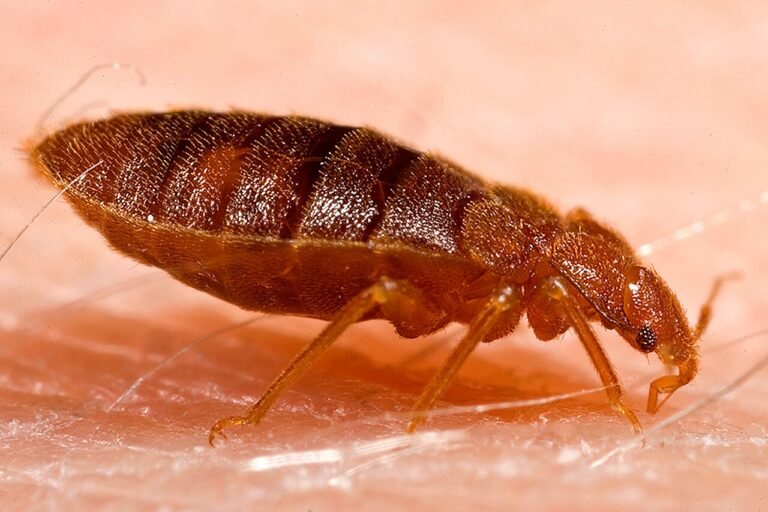
- Actual bugs (reddish-brown, flat, about the size of an apple seed)
- Bites in clusters or lines, usually on exposed skin
You don’t need to see bugs to have a problem. If you’re waking up with unexplained bites and finding dark spots on your sheets, call someone.
When to Call for Treatment (Any Season)
We get calls in February from people who say, “I thought they’d go away when it got cold.”
They never do.
If you’re dealing with bed bugs in your Brampton home, your Toronto condo, your Vaughan townhouse — the season doesn’t matter. What matters is how fast you act.
Why winter treatment works just as well as summer:
Heat treatment doesn’t depend on outdoor temperature. We bring industrial heaters into your home, raise the room temperature to 50-55°C for several hours, and kill every bed bug and egg in the space. It works in January as well as it works in July.
Chemical treatments also work year-round — though we usually recommend heat for faster, more complete elimination.
What same-day treatment looks like:
You call in the morning. We’re there that afternoon. We assess the infestation, recommend treatment (usually heat for active infestations), and often complete it the same day.
No waiting weeks for an appointment. No letting the problem get worse while you “think about it.”
If you’ve got bed bugs, you want them gone today — not in spring.
The Bottom Line
Bed bugs don’t hibernate. They don’t die off in winter. They don’t slow down.
They live in your home, where it’s warm year-round, and they breed just as fast in February as they do in August.
If you’ve been putting off dealing with a bed bug problem because you thought winter would help, it won’t. Every week you wait is another generation breeding in your mattress.
We treat bed bug infestations across the GTA every single day of the year. Winter doesn’t stop us, and it doesn’t stop them.
If you’re waking up with bites, finding dark spots on your sheets, or you just got back from a trip and want peace of mind — we can help today.
Related: Bed Bug Heat Treatment: How It Works and What It Costs | How to Check for Bed Bugs: A Visual Guide | Pest Control in Toronto