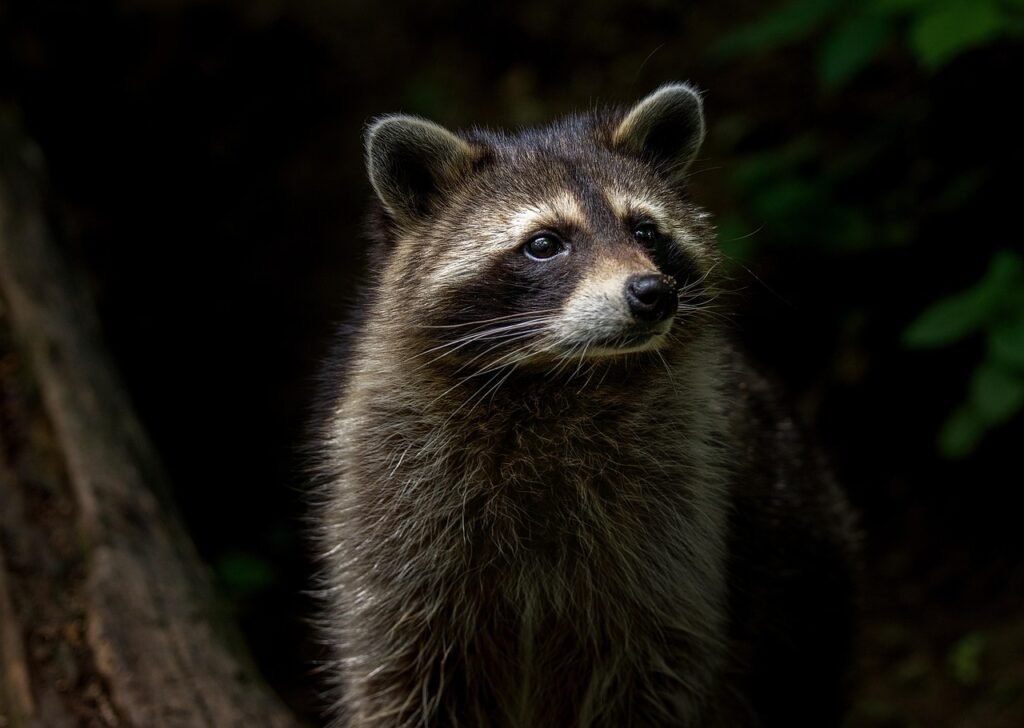
It’s 2am and you hear it again. A heavy thump from the ceiling. Then scratching. Then what sounds like chattering — not the light scurrying of mice, but something bigger. You grab a flashlight, head outside, and shine it up at your roofline. That’s when you see the hole near the soffit. That’s when you realize you’ve got raccoons in your attic.
If this is happening to you in April or May, you’re not alone. Spring is raccoon nesting season across the GTA, and your warm, dry attic is exactly what a pregnant female raccoon is looking for.
Why Raccoons Move Into Attics Every Spring
Raccoons breed in late winter. By early spring, pregnant females need a safe, sheltered space to birth their kits. In the wild, that’s a hollow tree or a rocky den. In the suburbs of Toronto, Brampton, Vaughan, and Mississauga, that’s your attic.
Female raccoons can have litters of 3-7 kits. They need warmth, protection from predators, and easy access to food (your neighborhood). Your attic checks every box. It’s quiet, it’s insulated, and it’s close to garbage bins and pet food left on porches.
Once a raccoon finds a way in, she’ll return to the same den site year after year. That means if you don’t deal with the problem now, you’ll have raccoons every spring.
The Sounds That Tell You It’s Raccoons (Not Squirrels or Mice)
Raccoons are loud. Much louder than squirrels or mice. Here’s what to listen for:
Heavy thumping — Raccoons weigh 10-25 pounds. When they move across your attic floor or insulation, it sounds like footsteps. You’ll hear it most at dusk (when they leave to forage) and dawn (when they return).
Scratching or clawing — Raccoons have dexterous front paws and sharp claws. They’ll scratch at insulation, wood, or ductwork. It’s a slow, deliberate sound, not the frantic scurrying of rodents.
Vocal chattering — Adult raccoons make chittering, growling, or hissing sounds, especially if threatened. If there are kits in the attic, you’ll hear high-pitched chirping or crying — it sounds almost like birds.
Activity concentrated at night — Raccoons are nocturnal. If the noise is happening during daylight hours, it’s more likely squirrels. If it’s loud and active after sunset, it’s probably raccoons.
If you’re hearing these sounds in your Scarborough, North York, or Etobicoke home right now, there’s a good chance you’ve got a nesting raccoon.
Where Raccoons Get Into GTA Homes
Raccoons are smart and strong. They can tear through soffit panels, pry open roof vents, and climb down uncapped chimneys. Here are the most common entry points we see in the GTA:
1. Roof Vents
Plastic roof vents are designed to ventilate your attic, not to keep out wildlife. Raccoons can grip the edges and tear them off or chew through the thin plastic. Once the vent is gone, it’s a straight shot into your attic.
2. Soffits and Fascia
Soffits (the underside of your roof overhang) and fascia boards are often the first thing to rot when eavestroughs leak or overflow. Raccoons can smell the damp wood and know it’s soft enough to break through. One night of determined clawing and they’re in.
3. Chimneys
An uncapped chimney is an open invitation. Raccoons will climb down and build a nest on the smoke shelf or damper. If you’ve got a wood-burning or gas fireplace that you don’t use often, this is a prime target.
4. Damaged or Missing Shingles
High winds, old age, or poor roof maintenance can leave gaps where shingles have lifted or blown off. Raccoons will exploit these gaps, especially near the roof edge where they can get leverage.
5. Garage Roof Access Points
If you’ve got a garage attached to your house, raccoons will use it as a stepping stone. They’ll access the lower garage roof, then find a way into the main attic from there — often through a soffit junction or roof vent.
In older GTA neighborhoods with mature trees (Leaside, High Park, Oakville), raccoons have easy roof access from overhanging branches. In newer subdivisions (Vaughan, Brampton), they’ll climb downspouts, porch pillars, or deck railings to reach the roof.
What Ontario Law Says About Raccoon Removal
You can’t just trap a raccoon and drop it off in a park. Ontario has strict rules about wildlife removal, and breaking them can result in fines.
You Can Remove Them From Your Property
Under the Fish and Wildlife Conservation Act, Ontario homeowners can remove wildlife from their property without a license. That means you’re allowed to deal with raccoons on your own.
But You Can’t Relocate Them Far
You cannot relocate a raccoon more than 1 kilometer from where you trapped it. The idea behind this rule is to prevent the spread of disease (like rabies) and to avoid dumping urban raccoons into rural ecosystems where they don’t belong.
In practice, dropping a raccoon 1km away means it’ll just find its way back to your neighborhood — or into someone else’s attic.
You Cannot Separate Mothers From Kits
If there are baby raccoons in your attic, you cannot remove the mother and leave the babies, or vice versa. That’s considered inhumane under Ontario animal welfare laws. The babies will starve, and the mother will tear your roof apart trying to get back to them.
This is why most raccoon removal in the GTA is done using one-way doors — they let the adult raccoon leave to forage but prevent re-entry. Once the adult is out, we remove the kits by hand and reunite them outside in a safe box. The mother returns, retrieves her babies, and relocates them on her own.
How We Remove Raccoons Humanely (and Legally)
We don’t trap and relocate. We don’t use poison (it’s illegal for raccoons anyway). We use a humane exclusion process that works with the raccoon’s natural behavior.
Step 1: Inspection
We inspect your roof, attic, and exterior to find every entry point. Raccoons often create multiple access holes as backup exits. If we miss one, they’ll get back in.
Step 2: One-Way Door Installation
We install a one-way door over the main entry point. It’s a spring-loaded gate that lets the raccoon push out but not back in. The adult raccoon will leave at dusk to forage. When she tries to return, she can’t.
Step 3: Baby Raccoon Removal
If there are kits in the attic (and in April-May, there usually are), we remove them by hand and place them in a heated reunion box near the exit point. The mother will hear their cries, retrieve them, and move them to a secondary den site — usually within 24 hours.
Step 4: Entry Point Repair
Once we’re certain all raccoons are out (we monitor for 3-5 days), we remove the one-way door and seal the entry point with heavy-gauge steel mesh or metal flashing. We also inspect and reinforce any other vulnerable areas — roof vents, soffits, chimney caps.
Step 5: Attic Cleanup (If Needed)
Raccoons urinate and defecate in attics. If the infestation has been ongoing, you may need insulation removal, disinfection, and replacement. We can handle that, or we can refer you to a restoration company if it’s extensive.
The whole process takes 3-7 days from start to finish, depending on how quickly the mother relocates her kits.
Why DIY Raccoon Removal Is Risky
We get it — spending $300-800 on raccoon removal feels steep when you can buy a live trap for $60 at Canadian Tire. But here’s why DIY rarely works and often makes things worse.
1. You Might Trap the Mother and Orphan the Babies
If you set a trap and catch the adult female, her kits are still in your attic. They’ll cry, they’ll starve, and you’re now legally responsible for them. Even if you wanted to, hand-raising baby raccoons is difficult and illegal without a wildlife rehabilitation license.
2. Raccoons Carry Diseases
Raccoons in Ontario can carry rabies, raccoon roundworm (Baylisascaris), leptospirosis, and a host of parasites. Their feces and urine are biohazards. Handling them without proper PPE, vaccinations, and training is dangerous.
3. They’re Stronger Than You Think
A cornered raccoon will fight. They’ve got sharp teeth, strong jaws, and claws that can cause serious lacerations. Every year, people end up in the ER after trying to remove a raccoon from their attic or garage.
4. Relocation Doesn’t Work
Even if you manage to trap and relocate a raccoon legally (within 1km), she’ll either return to your attic or move into a neighbor’s. You haven’t solved the problem — you’ve just delayed it.
5. The Entry Point Is Still Open
Trapping the raccoon doesn’t fix the hole in your roof. If you don’t repair and reinforce the entry point, another raccoon (or a squirrel, or a family of mice) will move in within weeks.
What Happens If You Ignore the Problem
Some homeowners hear the scratching, know it’s raccoons, and decide to wait it out. “They’ll leave on their own eventually, right?”
Sometimes, yes. By late June or July, the kits are old enough to follow their mother out of the attic, and the family may move on. But here’s what happens in the meantime:
Structural damage — Raccoons tear up insulation, chew through wiring (fire hazard), and damage ductwork. We’ve seen attics where they’ve ripped out entire sections of vapor barrier.
Contamination — Raccoon feces and urine accumulate. The smell seeps into your living space. If you’ve got central HVAC, you’re circulating contaminated air through your home.
Secondary infestations — Raccoon waste attracts flies, beetles, and other pests. Their nesting material can harbor fleas and mites.
Repeat visits — If a female successfully raises a litter in your attic, she’ll return next spring. Her kits may also return when they’re old enough to breed. You’ve turned your attic into a generational raccoon den.
The longer you wait, the more expensive the cleanup becomes.
How to Prevent Raccoons From Getting In
Once we’ve removed the raccoons and sealed the entry points, you’re not done. Raccoons are persistent. Here’s how to keep them out for good.
Cap your chimney — Install a stainless steel chimney cap with mesh sides. Costs $150-300 and lasts for years.
Upgrade your roof vents — Replace plastic vents with steel-reinforced models. Raccoons can’t tear through metal.
Repair soffits and fascia — If your soffits are rotting or pulling away from the house, fix them. Seal gaps with galvanized steel mesh, not just wood or aluminum (they’ll chew through it).
Trim tree branches — Keep branches at least 2 meters (6 feet) away from your roofline. Raccoons are excellent climbers, but they need a launching point.
Secure garbage and compost — Use locking lids on bins. Don’t leave garbage bags on the curb the night before pickup. Raccoons will tear them open, and once they associate your house with food, they’re more likely to explore your roof.
Install motion-activated lights — Raccoons prefer dark, quiet spaces. Bright lights near soffits and roof access points can deter them.
Check your roof annually — Especially after windstorms or heavy snow. Loose or missing shingles are an open door.
When to Call a Professional
If you’re hearing scratching in your attic right now, don’t wait. April and May are peak nesting season. The longer a raccoon family is in your attic, the more damage they cause and the harder they are to remove.
We offer same-day inspections across Toronto, Brampton, Vaughan, Mississauga, Scarborough, and the rest of the GTA. We’ll find the entry points, assess the situation, and give you a clear plan and price — no surprises, no upselling.
If there are baby raccoons involved, we handle it humanely and legally. If your attic needs cleanup after they’re gone, we’ll walk you through your options.
Spring raccoon season doesn’t last forever, but the damage they cause can. If you’ve got raccoons in your attic, let’s get them out before they settle in for the summer.
Got raccoons? We’ll be there today. Get a free quote.